
Chapter 3
Conclusion: Eradicating Gendered Expectations in Higher Ed
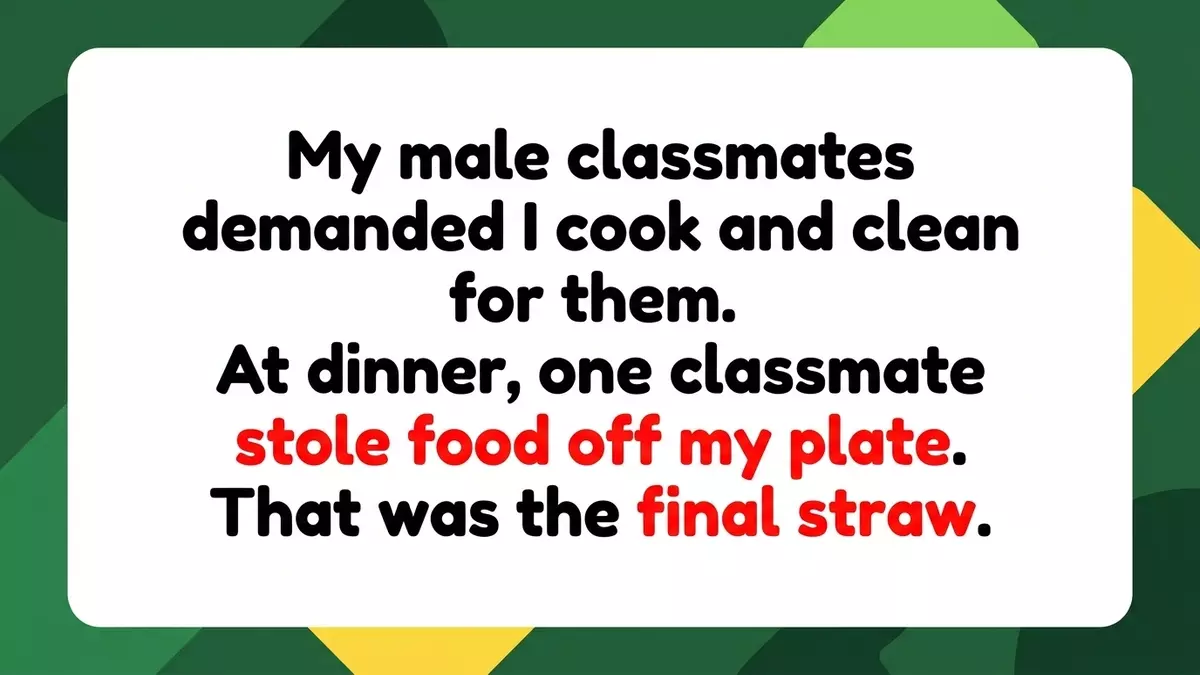
Filing a formal complaint against peers is rarely a comfortable or easy choice, especially in a tight-knit graduate cohort. However, when boundaries are repeatedly trampled and leadership is confused with servitude, institutional intervention becomes the only viable option. True academic equality means ensuring that every student, regardless of gender, has the right to study, lead, and succeed without being forced into the role of a campus housekeeper.
Frequently Asked Questions (FAQs)
1. What exactly constitutes "office housework" in an academic setting?
In a university or graduate program, academic office housework includes non-academic, administrative, or domestic tasks that are expected of a student but don't contribute to their grades or professional portfolio. Examples include cleaning up after group meetings, taking default notes for male peers, organizing social parties, or being expected to bring food.
2. How can I handle a classmate who treats me like their personal assistant?
Establish firm, written boundaries early. Refuse the non-essential task politely but directly via email or text (e.g., "As class representative, my role is to communicate faculty updates, so I won't be able to edit your personal essay"). If they persist, save the messages as evidence and forward them to a professor or department head.
3. Is weaponized incompetence considered a form of harassment?
Yes, when it is targeted and used to exploit a specific individual. Weaponized incompetence occurs when someone deliberately pretends to be bad at a simple task (like organizing a schedule or cleaning up) so that someone else—usually a woman—will get frustrated and do it for them. When used repeatedly to coerce a peer into doing extra labor, it creates a hostile environment.
4. What are the risks of ignoring minor sexism in a graduate program?
Ignoring minor instances of entitlement allows a toxic culture to take root. When microaggressions and unfair distributions of labor go unchecked, perpetrators feel emboldened, leading to more severe boundary violations, lower psychological safety for female students, and a devaluation of women's academic contributions.
5. Can a university dismiss a student for acting entitled or demanding domestic favors?
While a student might not be instantly expelled for a single rude comment, a documented pattern of demanding personal favors, stealing food, and retaliating when rejected violates university codes of student conduct. Depending on the severity, penalties can include formal reprimands, academic probation, loss of leadership titles, or suspension.