
Chapter 1
Transactional Parenting: The High Cost of Using Physical and Emotional Security as Punishment
We all know that moment when a simple misunderstanding escalates into a full-blown family war. For emerging young adults, navigating the transition from high school to independence is a delicate balancing act. When this naturally turbulent period is complicated by a life-altering medical diagnosis, the need for a stable, supportive home environment is more critical than ever.
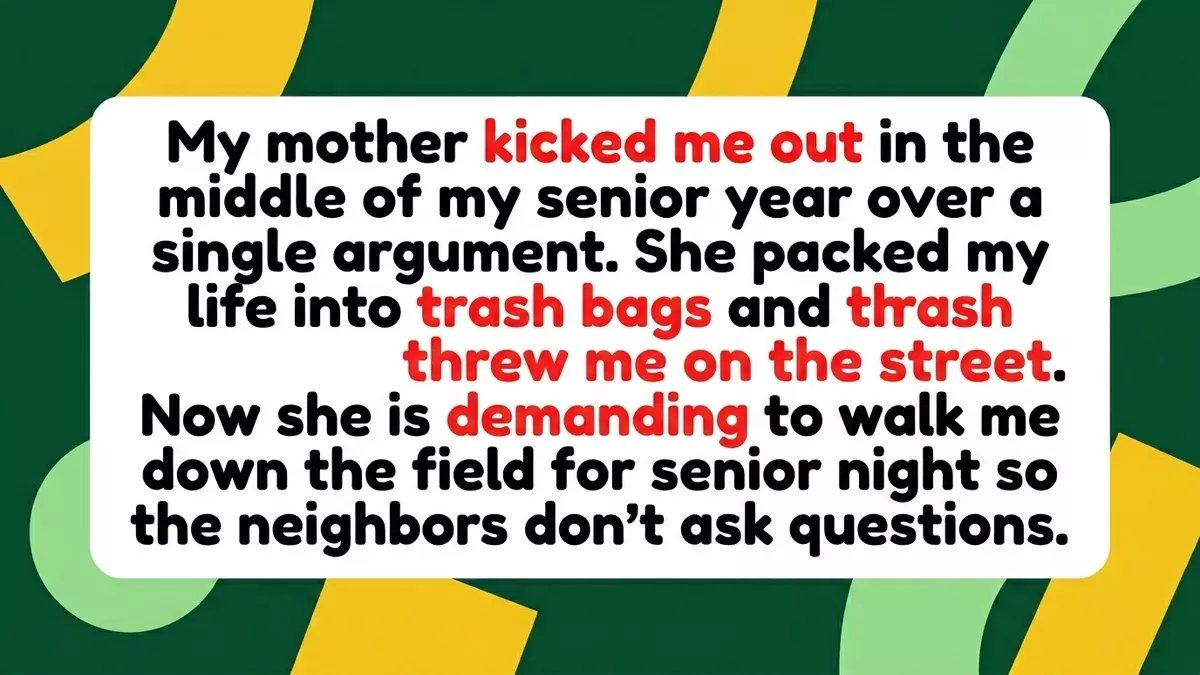
Yet, when a parent handles a domestic argument by resorting to extreme punitive measures—such as packing a teenager's belongings into trash bags and evicting them over a verbal conflict—the foundational trust of the parent-child relationship is shattered. When that same parent later attempts to use basic housing security as leverage to secure a public milestone, it highlights a deeply damaging dynamic known in psychology as transactional parenting.

Transactional Parenting The High Cost of Using Physical and Emotional Security as Punishment
The Psychology of Conditional Regard and Authoritarian Control
To understand the long-term emotional fallout of a severe family rift, it is essential to look at the psychological mechanics behind how authority and support are administered in the home.
The Damage of Conditional Regard
Support, shelter, and parental love should never be treated as commodities to be traded for compliance. When a parent’s warmth and provision are entirely dependent on a child's perfect behavior or emotional restraint, they are practicing conditional regard.
[Parental Support & Shelter]
       │
       ├─► Treated as a Reward for Compliance (Conditional Regard)
       │
       └─► Weaponized as a Punishment during Conflict (Fear & Instability)
According to family therapists and researchers studying estrangement, demanding public respect—such as insisting on walking a child down the field for a high school senior night—while simultaneously withdrawing physical and emotional safety creates an environment of profound instability. The emerging adult learns that their safety is entirely conditional, which can severely damage their sense of self-worth and security well into adulthood.
Parental Adultification and the "Eighteen" Myth
A common catalyst for severe domestic conflicts is the concept of parental adultification, specifically driven by the legal milestone of a child turning 18. Some parents prematurely halt active parenting the moment a child reaches legal adulthood, ignoring the reality that a high school senior still requires structural, financial, and emotional stability to successfully transition.
Using "adult consequences" like eviction to teach a lesson to a teenager who is still finishing high school is rarely about education. Instead, it often functions as an emotional shield—a way for a parent to protect their own ego from the guilt of a domestic mistake by shifting the blame entirely onto the child’s emotional reaction.